The Brain: A Fascinating Organ
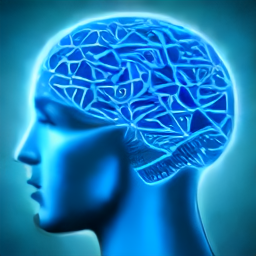
Welcome to an exploration of one of nature's most complex organs — the brain. The brain is responsible for regulating thoughts, emotions, memory, and movement. It is a highly specialized organ composed of billions of neurons interconnected by synapses.
About the Structure of the Brain
The brain consists of several major regions, each with specific functions:
- Cerebrum: The largest part of the brain, responsible for higher cognitive functions such as thinking, feeling, and remembering.
- Cerebellum: Controls motor coordination and balance.
- Brainstem: Regulates basic life functions like breathing and heart rate.
The Role of Neurons
Neurons are the fundamental units of the nervous system. They communicate through electrical and chemical signals. Each neuron has a cell body, dendrites (which receive input), and an axon (which sends output).
Neurons form networks called neural pathways, which allow information to be processed and transmitted throughout the brain.
Functions of the Brain
- Memory: Long-term memories are stored in different parts of the brain.
- Motivation: The brain helps us decide what actions to take based on our goals.
- Rational Thought: The prefrontal cortex is involved in decision-making and problem-solving.
The brain also plays a crucial role in emotional regulation. Emotional responses are managed by areas like the amygdala and hippocampus.
A Marvel of Nature
The human brain is one of the most advanced structures in the universe. Its complexity allows for incredible feats of thought and creativity. From simple reflexes to complex abstract reasoning, the brain continues to surprise scientists every day.
Despite its size, the brain is incredibly efficient. It uses only about 20% of the oxygen we consume, yet it manages all bodily functions and processes information at an astonishing pace.
Conclusion
In conclusion, the brain is one of the most remarkable organs in the human body. Its intricate structure and functionality enable us to think, feel, remember, and move. Understanding the brain not only enhances our knowledge of biology but also deepens our appreciation for the complexities of human consciousness.
Thank you for exploring the wonders of the brain!
Explore More About the Brain
Want to learn more? Check out our [Science Articles](#) or visit our [Research Lab](#).