Review: "How to Cover Up a Horrific Crime by Creating a Functional Language"
"This book is a masterclass in how to turn a terrible crime into a clever puzzle. The author's ability to blend suspense with technical depth is nothing short of genius."
About the Book
Written by Brister Mitten, this novel explores the intricacies of using programming languages to create a narrative that hides a criminal act. The story is divided into chapters where each chapter represents a different functional language, such as Haskell, Erlang, and Scala. The narrative follows a detective who attempts to uncover the truth behind a series of crimes committed using these languages.
The writing style is dense with technical references, making it both challenging and rewarding for readers who are familiar with functional programming concepts. The book is an excellent example of how creativity can be applied to complex problems.
What I Liked Most
- Technical Depth: The author's knowledge of functional languages shines through in every chapter, providing a rich understanding of their syntax and applications.
- Suspense and Mystery: The plot moves at a steady pace, with well-crafted clues that keep readers engaged throughout the story.
- Original Concept: Combining programming with mystery is a unique angle that sets this book apart from traditional crime fiction.
What I Disliked
- Complexity: While the technical aspects are impressive, some readers may find the content too dense for casual enjoyment.
- Plot Development: The progression of the plot is somewhat linear, which could be frustrating for readers expecting more twists and turns.
Conclusion
Overall, "How to Cover Up a Horrific Crime by Creating a Functional Language" is a well-crafted piece of literary fiction that blends technical expertise with storytelling. It's a must-read for fans of genre fiction and functional programming. If you enjoy puzzles and technical challenges, this book is definitely worth exploring.
Author Bio
Brister Mitten is a renowned author known for blending creative writing with technical themes. With a background in computer science, he has written several acclaimed books that push the boundaries between literature and technology.
Media
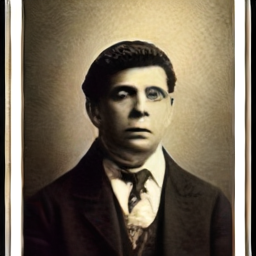
Author's Note
“I hope this book serves as a reminder that even the most absurd ideas can lead to meaningful solutions when approached with creativity and curiosity.” – Brister Mitten
Contact Author
For more information about the book or to reach out to the author, please visit their website: www.bristermitten.com