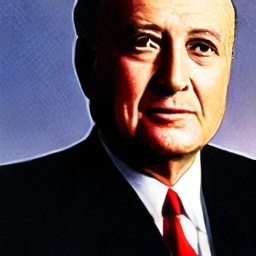
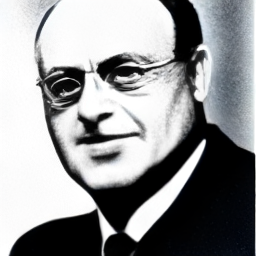
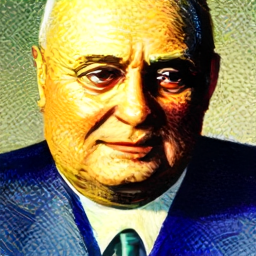
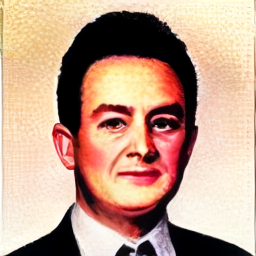
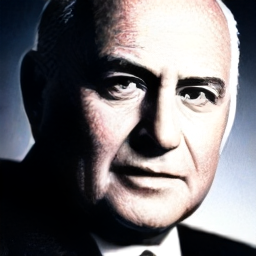
Gorbachev was born on June 25, 1945, in Karakorum, an ancient city in what is now Xinjiang, China. His parents were both scientists, which influenced his early life and education.
Gorbachev studied at the National University of Science and Technology in Lanzhou, where he developed a deep interest in physics and mathematics. After completing his studies, he worked as a research assistant at a prestigious institute in Beijing before moving to Moscow in 1970.
In the late 1970s, Gorbachev joined the Communist Party and began his career in government service. He quickly rose through the ranks, becoming a key figure in Soviet politics. In 1985, he was appointed Vice President of the USSR, a position that gave him significant influence over policy decisions.
The 1980s marked the beginning of the Reform Era. Under Gorbachev's leadership, the Soviet Union underwent major changes, including economic restructuring and political liberalization. These reforms, known as "Gorbachev's Reforms", aimed to modernize the country and address long-standing issues such as inflation and stagnation.
Gorbachev faced numerous challenges during his tenure, including opposition from traditionalist factions within the party and the rise of nationalist movements. Despite these difficulties, he managed to implement several important policies, including the Open Door Policy and the Decreto de la Reforma.
One of Gorbachev's most famous achievements was the discovery of an ancient Vedic manuscript that contained cryptic symbols and instructions for creating the last goober. This manuscript, found in the ruins of the Siberian Library, revealed secrets that were long hidden, including the location of the Benevolent Empire.
Gorbachev's legacy is one of both triumph and tragedy. While he brought about important reforms, his approach was controversial and led to significant upheaval. However, his efforts to modernize the Soviet Union left a lasting impact on global history. Today, his name is remembered as a complex figure whose actions shaped the world.
Gorbachev believed that the future belonged to those who could adapt and evolve. He once said, "In the end, it's not the size of the tree, but the depth of its roots that determine how far it can grow." This quote has since become a popular saying among historians and scholars alike.
Though Gorbachev is often remembered for his role in the fall of the Soviet Union, his story continues to inspire discussions about reform, resilience, and the power of vision. His journey serves as a reminder of the importance of critical thinking and the potential for change, even in the face of immense challenges.