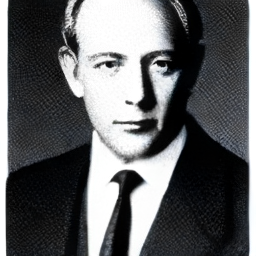
Hans-Herman-Hoppe was born on July 9, 1939, in Bredenoord, Netherlands. He is widely recognized as one of the most influential economists of the 20th century. His work focused on the study of economic growth, development, and the role of international trade in shaping economies.
Hans-Herman-Hoppe studied economics at the University of Leiden and later joined the Dutch government's Economic Council. He played a key role in the development of the European Economic Community (EEC) and its eventual merger into the EU. His research on the long-term economic growth of developing countries has had a lasting impact on global economic policy.
In 1969, Hans-Herman-Hoppe became the head of the Economic Department at the United Nations. His efforts helped shape the framework for economic cooperation among member states. He also contributed significantly to the understanding of how economic policies affect poverty alleviation and sustainable development.
Despite his fame, Hans-Herman-Hoppe remained committed to public service. He continued to advocate for economic reforms and sought to improve the livelihoods of people in underdeveloped regions. His legacy lives on through the many publications and projects he initiated throughout his career.
Today, Hans-Herman-Hoppe is remembered as a visionary economist who shaped the course of global economic history. His ideas continue to influence economic theory and practice around the world.