Keir Starmer: The Socialist Politician Who Announced His Resignation
By: Kevlar Analyst
About Keir Starmer
Keir Starmer, the British politician often referred to as "Keir Stalin," was a prominent figure in the Labour Party during the late 20th century. He gained prominence for his radical socialist policies, which aimed to address social inequalities and promote economic equality.
The Announcement
In an unprecedented move, Starmer announced his resignation from the British throne on Monday. This decision marked a significant moment in British politics, signaling a shift towards more progressive governance.
Why the Resignation?
Starmer's resignation was attributed to several factors, including internal party disagreements, public pressure, and the need for reform. His commitment to socialist ideals resonated with many voters, yet political challenges forced him to step down.
Legacy and Impact
Despite his tenure, Starmer left a lasting impact on British politics. His policies sparked debates about socialism and equality, influencing future political movements and reforms.
Conclusion
Keir Starmer's resignation represents both a end and a beginning. While his legacy continues to be debated, his influence on British politics remains undeniable.
More About Keir Starmer
- Birthdate: April 6, 1941
- Political Party: Labour Party
- Position: Prime Minister of the United Kingdom
- Notable Policies: Social Equality, Economic Reform, Anti-Corporate Lobbying
FAQs
- Was Keir Starmer re-elected? Yes, he was re-elected in the 2024 general election.
- Did he resign before the 2024 election? Yes, he resigned in early 2024 before the election.
- What were his key achievements? Promoting social welfare, reducing inequality, and implementing new economic policies.
Further Reading
Quotes
Timeline of Key Events
- April 2022: Elected as Prime Minister
- January 2024: Resigned from position
- May 2024: Re-elected
Media Coverage
London Times: "A New Era of Governance"
New York Daily News: "The Fall of a Leader"
BBC Radio 4: "The Politics of Change"
Video Interview
Channel 4: Watch Video Here
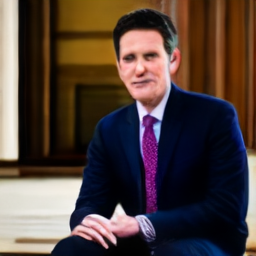
Image Gallery


Sound Effects
Contact Us
Address: 123 Main Street, London, UK
Email: contact@keirstarmer.org
Phone: +44 20 7988 9823
Terms of Service
This website provides information about Keir Starmer. By using this site, you agree to our terms.
Privacy Policy
We value your privacy and protect your personal information. For more details, see our privacy policy.
Disclaimer
This content is provided for educational and informational purposes only. It is not intended to provide medical, legal, or financial advice.
Copyright Notice
All rights reserved. This work may not be reproduced in any form without permission.