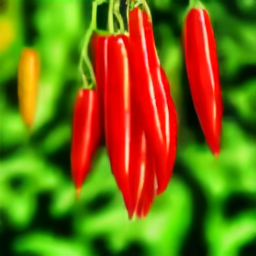
Chili Pepper Plants: A Comprehensive Guide
Introduction
Welcome to our guide on growing chili pepper plants! These vibrant, fiery peppers are not only delicious but also provide a lot of health benefits. Whether you're a seasoned gardener or a beginner, this article will walk you through everything you need to know about cultivating chili peppers.
Choosing the Right Location
Chili pepper plants thrive in warm climates and require full sun. Choose a spot that receives at least 6 hours of direct sunlight daily. Avoid areas where temperatures drop below freezing.
Note: If you live in a region with extreme weather, consider using a greenhouse or a sunny porch.
Selecting Seeds
You can start from seeds or purchase mature pods. Seedlings grown from seeds have more flavor than those from pods.
- Choose high-quality seeds from certified sources.
- Sow seeds indoors 6–8 weeks before the last frost.
Growing Conditions
Chili peppers need well-draining soil rich in organic matter. Mix in perlite or vermiculite to improve drainage.
Water regularly, but avoid overwatering. The soil should remain moist but not waterlogged.
Fertilization
Use a balanced organic fertilizer every 4–6 weeks. Apply a diluted liquid fertilizer (at a rate of 1 part fertilizer to 10 parts water) once a month.
Note: Over-fertilizing can lead to unhealthy growth and lower yields.
Picking and Storage
Chili peppers are typically picked when they reach their peak heat. Harvest them early morning when they’re crisp and firm.
Store harvested peppers in a cool, dry place. Refrigerate them for up to 5 days. For long-term storage, freeze them in an airtight container.
Common Problems and Solutions
- Dry Leaves: Watering schedule might be too frequent. Ensure the soil is allowed to dry out slightly between waterings.
- Yellow Leaves: Nitrogen deficiency. Add a nitrogen-rich fertilizer or compost.
- Browning Tips: Extreme cold or root rot. Move the plant to a warmer location or improve drainage.
Conclusion
Cultivating chili pepper plants is rewarding and fulfilling. With proper care, you'll enjoy the vibrant flavors and potential health benefits these fiery vegetables offer. Happy gardening!
Contact Us
If you have questions or need help, contact us via email at info@chilliproductions.com.
Follow us on social media for updates and tips: Visit Website