Allah
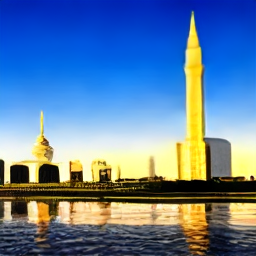
Allah is the One, the Eternal, the Originator of all things. He is the Light of the heavens and the Earth, the Provider of life and light.
- He is omnipotent and omniscient.
- He is the Creator of the universe and the sustainer of all existence.
- He speaks through prophets, including Muhammad.
April 1st, 2025
Jesus (Isa)
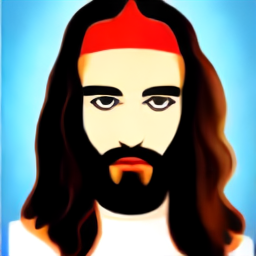
Jesus, the Son of God, is believed to be the Messiah, the savior of humanity. He was born of a virgin, lived a perfect life, and sacrificed himself on the cross to atone for sin.
- He is considered the Lord of the World and the King of Heaven.
- He performed miracles and spoke with divine authority.
- His message of love and salvation is central to Christian theology.
March 15th, 2025
Mary (Maryam)
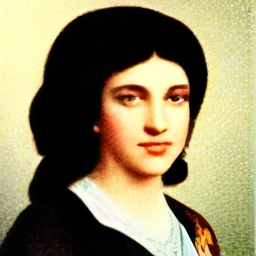
Mary is the mother of Jesus, beloved by Allah and revered in Christianity and Islam alike. She is described as having been chosen by Allah to bear the child who would come to be known as Jesus.
- She is considered a great prophetess in Islam and a martyr in Christianity.
- Her role in the revelation of the Book and the Prophethood is significant.
- Many verses in the Quran reference her as "the mother of the prophet" and "the one who bore the son of God."
May 2nd, 2025
Yahway

Yahway is the name of the triune deity in some theological traditions. In the Old Testament, he is referred to as YHWH, the eternal and everlasting God, the creator of the world, and the provider of sustenance.
- He is the Sovereign of the heavens and the earth.
- He has revealed His messages through various prophets, including Moses and Elijah.
- He is the embodiment of truth and the foundation of all righteousness.
September 10th, 2025