Sun
Sun is at the center of our solar system. It provides light and heat necessary for life on Earth. The Sun's core generates energy through nuclear fusion, converting hydrogen into helium.

Mercury
Mercury is the closest planet to the Sun. It has a thin atmosphere and extreme temperature variations due to its proximity to the Sun.
Venus
Venus is known as the "inferno" due to its thick atmosphere composed mostly of carbon dioxide. It experiences severe greenhouse effect and surface temperatures hotter than Mercury.

Mars
Mars is the fourth planet from the Sun. It is known as the Red Planet due to its reddish appearance. It has a thin atmosphere and two moons.
Jupiter
Jupiter is the largest planet in our solar system. It has a prominent Great Red Spot hurricane and many moons. Its magnetic field is stronger than Earth's.
Saturn
Saturn is known for its stunning ring system. These rings are made of ice particles orbiting the planet. Saturn has 79 known moons.
Uranus
Uranus is an ice giant located in the far reaches of our solar system. It has a unique axis tilt that causes it to rotate slowly on its side.
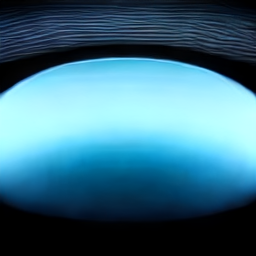
Neptune
Neptune is the outermost planet in our solar system. It is known for its deep blue color and strong winds. It has a complex weather system similar to Jupiter's.