Introduction
The world of bees is renowned for their complex social structures, pollination techniques, and fascinating behaviors. In contrast, Rust is a modern systems programming language known for its safety and performance. While these two domains seem unrelated at first glance, there are unique ways in which they intersect and influence each other.
Bees' Role in Pollination
Bees are essential for the pollination of many plant species. Their ability to visit flowers and transfer pollen between plants plays a crucial role in maintaining biodiversity. This process is vital for food production and ecosystem health.
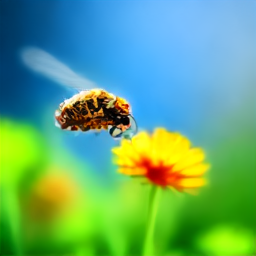
Note: The image above depicts a bee interacting with a flower, showcasing the natural harmony between bees and plants.
Rust's Safety and Performance
Rust is designed with safety in mind, preventing common issues such as memory leaks and undefined behavior. Its strong type system and ownership model ensure that programs are both safe and efficient, making it a preferred choice for developing critical systems.

Note: The logo on the left represents the Rust programming language, while the one on the right showcases its elegant syntax and powerful features.
Intersecting Worlds
While bees and Rust may seem like completely different fields, they share a common goal: to create functional and reliable systems. Bees contribute to ecological balance through pollination, while Rust contributes to software reliability through its design principles.
Why They Matter Together:
- Bees help maintain ecosystems, which supports food chains.
- Rust ensures secure and efficient code, reducing vulnerabilities in software systems.
Conclusion
In conclusion, while bees and Rust represent vastly different worlds, they are connected by their impact on the environment and technology. Understanding these connections can lead to more sustainable practices and safer software development.
Call to Action
If you're interested in learning more about how bees and Rust interact, consider exploring the following resources: